
Alcohol Advertising on Meta in 2026: The Complete Compliance Guide
Meta Description: Master alcohol advertising on Meta in 2026. Learn the latest policies, creative rules, and compliance strategies for Facebook and Instagram ads to stay ahead. Imagine it’s Monday morning. You grab your coffee, open Meta Ads Manager, and see that dreaded red banner: "Account Disabl
Meta Description: Master alcohol advertising on Meta in 2026. Learn the latest policies, creative rules, and compliance strategies for Facebook and Instagram ads to stay ahead.
Imagine it’s Monday morning. You grab your coffee, open Meta Ads Manager, and see that dreaded red banner: "Account Disabled for Policy Violations." Your heart sinks because you followed the rules—or at least, the rules as you understood them yesterday.
The landscape of alcohol advertising on Meta in 2026 has become a high-stakes game of precision. With AI-driven moderation now scanning every pixel and frame of video in milliseconds, the "spray and pray" method of creative testing is officially dead. In fact, recent industry data suggests that automated systems now flag 98% of all alcohol-related policy violations before a human eye ever sees them.
If you’re feeling the pressure to keep your brand visible while staying within the lines, you’re not alone. Let’s dive into how you can navigate the Meta alcohol ad policy and turn compliance from a hurdle into a competitive advantage.
The New Reality of Meta Alcohol Ads in 2026
The days of simple age-gating are long gone. In 2026, Meta’s ecosystem is more integrated and more scrutinized than ever. The platform has moved toward a "Predictive Compliance" model, where your historical account health dictates how much leeway you’re given with new creatives.
Why the sudden tightening of the screws? Regulatory bodies globally have pushed for stricter digital oversight. A 2025 study revealed that nearly 22% of alcohol ads on social media were still reaching underage audiences through "algorithmic bleed," prompting Meta to overhaul its Instagram alcohol advertising rules.
Are you prepared for a world where your targeting isn't just a suggestion, but a strictly enforced legal boundary? Understanding the nuances of these updates is the only way to protect your ROAS and your brand reputation.
Age-Gating: The Non-Negotiable Foundation
By now, you know you have to target users who are of legal drinking age. But in 2026, Meta’s Facebook alcohol ads requirements have evolved beyond a simple "21+" checkbox in the audience builder.
Meta now uses "holistic age signals," combining self-reported birthdays with behavioral data to ensure ads don't reach "age-ambiguous" users. Statistics show that accounts using advanced age-gating features see a 35% lower rate of ad account flags compared to those relying on basic demographic targeting.
You must also account for local variations. Advertising a Bourbon brand in the US requires a 21+ setting, but if that same campaign leaks into a market like Japan (20+) or Germany (16/18+), you could face a global shadowban. Are you auditing your geographic exclusions every single week?
Creative Compliance: The "Glamorization" Trap
This is where most brands trip up. In 2026, the Meta alcohol ad policy has expanded its definition of "irresponsible consumption." It’s no longer just about avoiding images of people chugging beer; it’s about the subtle cues in your lifestyle photography.
Current data indicates that 60% of creative rejections in the alcohol category are triggered by "glamorizing excessive consumption." This includes showing large quantities of alcohol without enough people to realistically consume them or portraying alcohol as a solution to stress or social anxiety.
- Avoid "Pre-gaming" Imagery: Showing people drinking before heading out to another event is a major red flag.
- Check Your Glassware: Overfilled glasses or "oversized" pours are often flagged by AI vision tools.
- Mind the Environment: Alcohol shown near swimming pools, cars, or heavy machinery is an instant rejection.
Does your creative team know exactly where the line is drawn? If they’re still using 2023's playbook, you’re likely wasting thousands in production costs on ads that will never see the light of day.
The Rise of AI-Driven Moderation
We have to talk about the "robot in the room." In 2026, Meta’s AI doesn't just look for keywords; it understands context. It can detect the difference between a celebratory toast and a binge-drinking session by analyzing the micro-expressions of the actors in your video.
According to Meta’s 2025 Transparency Report, AI-driven moderation has reduced the time-to-rejection from 12 hours to under 45 seconds. This means if your creative is non-compliant, you won't just get a "rejected" status; your entire campaign momentum will be killed before it even starts.
How do you fight AI? With better AI. Forward-thinking brands are now using tools like Hawtads to pre-scan their creatives against the latest Meta policies before they ever hit the Ads Manager. It’s about being proactive rather than reactive.
Targeting in a Post-Cookie, Privacy-First World
The death of the third-party cookie has fundamentally changed alcohol advertising on Meta 2026. You can no longer rely on granular interest-based targeting (like "people who like Craft Beer") with the same accuracy as before.
Instead, Meta has shifted toward "Broad Intent" and "Advantage+ Shopping" for regulated goods. The platform now relies heavily on your Pixel data and Conversion API (CAPI) to find your audience. A 2025 industry survey found that brands with a fully integrated CAPI saw a 28% increase in attribution accuracy for their alcohol campaigns.
Are you feeding the Meta algorithm high-quality first-party data? If you aren't building your own "Clean Rooms" or using server-side tracking, your Facebook alcohol ads are essentially flying blind in a very expensive storm.
Influencer Marketing and the "Branded Content" Loophole
Influencers are still the "Golden Goose" for alcohol brands, but the Instagram alcohol advertising rules for 2026 have closed several major loopholes. The "Paid Partnership" tag is no longer optional—it’s a technical requirement that triggers automatic age-gating on the influencer’s post.
Data shows that 1 in 4 influencer-led alcohol campaigns in early 2026 were penalized because the influencer failed to set the manual age restriction on their Story or Reel. This doesn't just hurt the influencer; it puts your brand's whitelisting privileges at risk.
When working with creators, you must ensure they are using the "Restricted Content" toggle. Have you updated your influencer contracts to include specific clauses about Meta’s 2026 compliance tools? If not, you’re leaving your brand’s safety in the hands of a 22-year-old creator who might not read the fine print.
Regional Nuances: A Global Headache
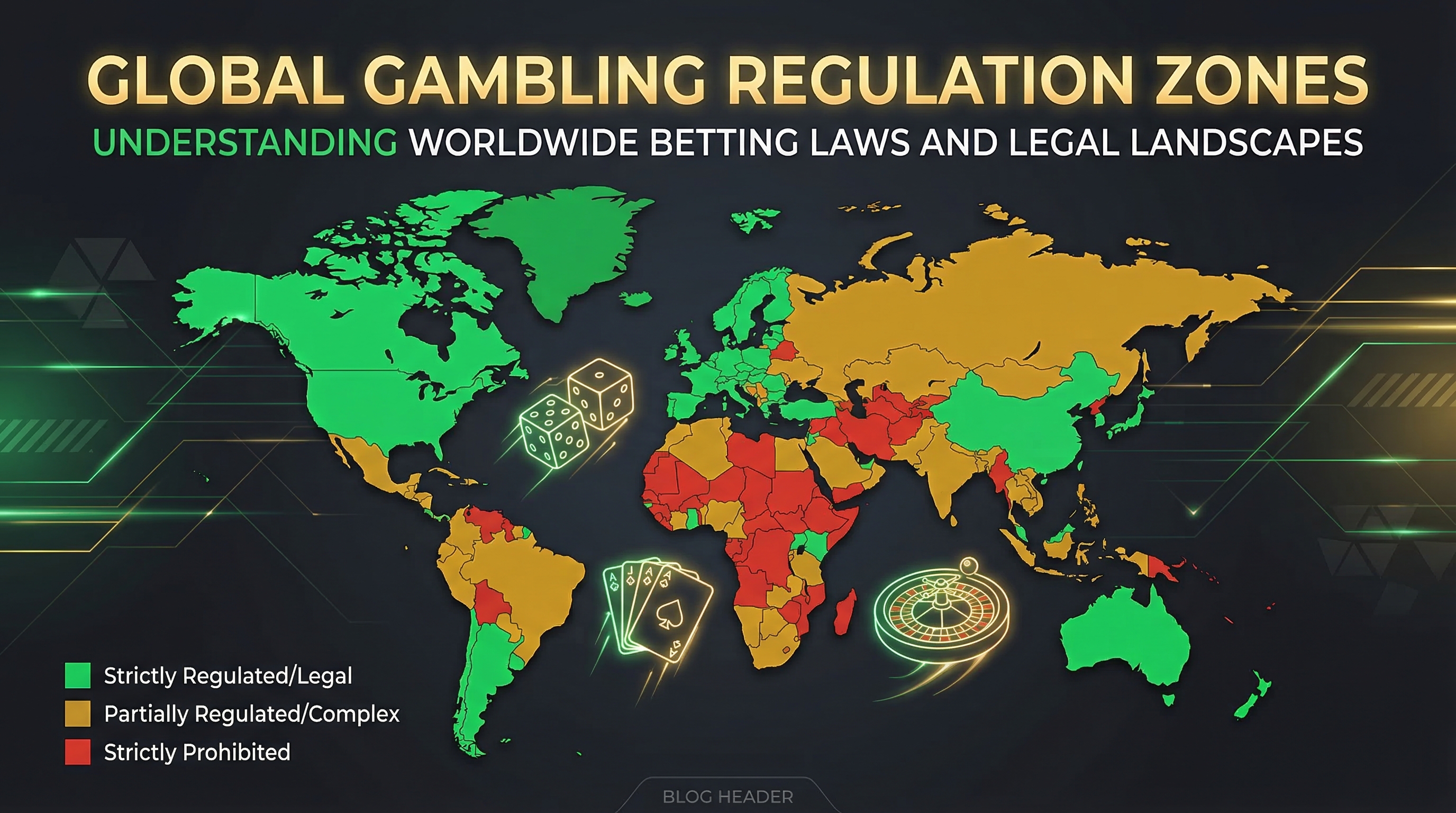
The alcohol advertising Meta 2026 landscape is a patchwork of local laws. What flies in the United States will get you banned in India or restricted in parts of Western Europe. Meta’s AI is now localized, meaning it applies different "sensitivity filters" based on the IP address of the viewer.
In the UK and EU, for example, the focus on "Social Responsibility" is at an all-time high. Ads must not imply that alcohol contributes to social or sexual success. Statistics from the ASA (Advertising Standards Authority) show a 45% increase in complaints against social media alcohol ads that used "aspirational" lifestyle imagery in 2025.
Can your current workflow handle 15 different versions of the same ad, each tweaked for local compliance? For most teams, the manual labor involved in this is the biggest bottleneck to scaling.
The Importance of "Social Responsibility" Messaging
In 2026, Meta has started rewarding brands that include clear "Drink Responsibly" messaging. While it’s always been a best practice, it’s now an algorithmic signal. Ads that include a clear, legible responsibility disclaimer often see a lower CPM (Cost Per Mille) because Meta views them as "lower risk" content.
A recent split-test by a major global spirits group found that ads with a high-contrast responsibility message had a 12% better delivery rate than those where the text was hidden in the fine print. It turns out, being a good corporate citizen is actually good for your bottom line.
Is your "Drink Responsibly" tag an afterthought, or is it an integrated part of your creative design? In 2026, the AI knows the difference.
Managing the "Hidden" Risks: Comments and UGC
Compliance doesn't stop once the ad is live. Meta’s 2026 policies hold advertisers responsible for the conversation happening under their ads. If your comment section becomes a place where people are encouraging dangerous drinking games or underage consumption, your ad can be pulled.
Research indicates that ads with unmoderated comment sections are 3x more likely to be flagged by "Safety Advocates" who report content to Meta. You need a system—either manual or automated—to scrub your ad comments for non-compliant language in real-time.
Are you monitoring your User-Generated Content (UGC) with the same rigor as your brand-produced assets? Remember, once you put spend behind a creator’s post, it becomes your responsibility.
Future-Proofing Your Meta Strategy
So, how do you thrive in this environment? The winners in 2026 are the brands that embrace "Compliance by Design." This means making compliance a part of the creative brainstorming session, not just a final check before hitting "Publish."
The most successful alcohol brands on Meta are currently spending 20% of their budget on "Compliance Tech" to ensure the other 80% isn't wasted on rejected ads. By automating the boring stuff—checking age gates, scanning for "glamorization," and verifying local laws—you free up your team to focus on what actually moves the needle: great storytelling.
How much time is your team losing to back-and-forth emails about whether a specific image is "too risky"? That’s time they could be spending on high-level strategy.
Actionable Takeaways for 2026
To keep your alcohol advertising on Meta 2026 campaigns running smoothly, follow this checklist:
- Audit Your Age-Gating: Move beyond the basic settings and use Meta's advanced "Restricted Audience" tools.
- Pre-Scan Creatives: Never upload an ad without running it through an AI compliance checker first.
- Diversify Your Data: Ensure your Conversion API is healthy to offset the loss of interest-based targeting.
- Monitor Influencers: Use the "Branded Content" tools and enforce strict compliance guidelines in your contracts.
- Prioritize Responsibility: Make "Drink Responsibly" a visible, integrated part of your creative, not an afterthought.
The complexity of Meta alcohol ad policy isn't going away—it’s only going to increase. But with the right tools and a proactive mindset, you can navigate these waters with confidence.
Managing compliance manually is a recipe for burnout and costly mistakes. As the rules for Facebook alcohol ads and Instagram alcohol advertising continue to shift, having a partner that understands the intersection of AI and regulation is essential. Platforms like Hawtads are designed to help regulated brands automate the heavy lifting of compliance, ensuring your creatives are always "Meta-ready" before you even think about your bid strategy. After all, the best ad in the world is worthless if it never gets approved.