
The Advertiser's Guide to Surviving a Regulatory Audit
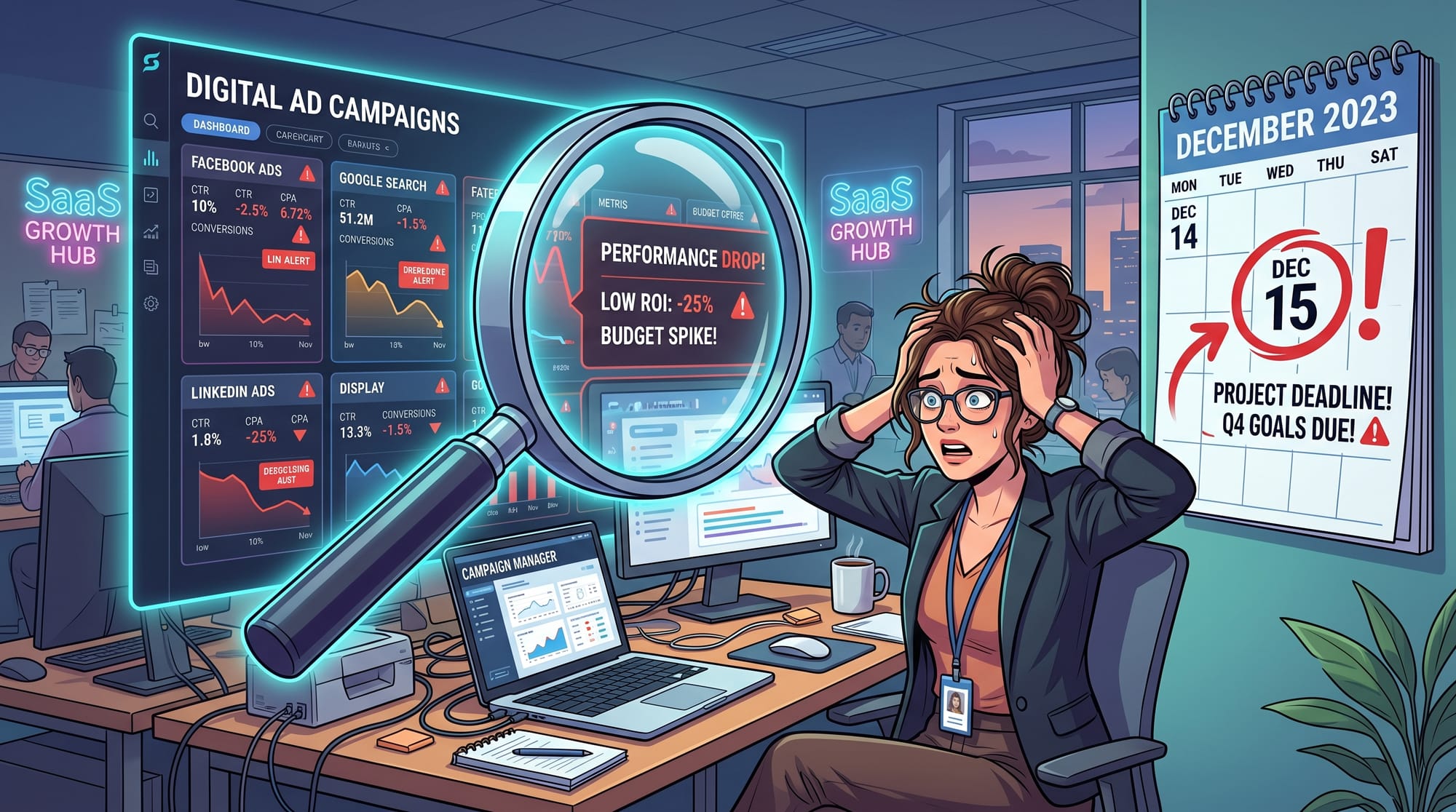
Picture this: It’s 4:00 PM on a Friday. You’re wrapping up your week, sipping the last of your lukewarm coffee, and mentally preparing for the weekend. Then, an email lands in your inbox from your legal team. The subject line? "Urgent: Notice of Inquiry from Regulatory Body." Your heart drops. Wheth
Picture this: It’s 4:00 PM on a Friday. You’re wrapping up your week, sipping the last of your lukewarm coffee, and mentally preparing for the weekend. Then, an email lands in your inbox from your legal team.
The subject line? "Urgent: Notice of Inquiry from Regulatory Body."
Your heart drops. Whether it’s the FTC, the FDA, the SEC, or a regional financial authority, those letters are the stuff of marketer nightmares. Suddenly, you’re scrambling to find campaign assets from six months ago, desperately hoping your team remembered to include the right disclaimers.
According to recent industry data, regulatory fines for misleading or non-compliant advertising exceeded $5 billion globally last year alone. But the financial penalty is just the tip of the iceberg. The operational paralysis, brand damage, and platform bans are often much worse.
Facing an advertising regulatory audit doesn't have to feel like a corporate doomsday scenario. With the right preparation, workflows, and technology, you can turn a terrifying inquiry into a routine administrative task.
Let’s break down exactly how you can survive—and thrive—when the regulators come knocking.
What Triggers an Advertising Regulatory Audit?
Regulators don't just pull names out of a hat. There is almost always a specific trigger that puts a target on your back.
Understanding these triggers is your first line of defense. If you know what sets off the alarms, you can proactively avoid tripping them in your daily campaigns.
Here are the most common culprits:
- Competitor Complaints: It’s a cutthroat world out there. If a competitor feels your claims are unsubstantiated and giving you an unfair advantage, they won't hesitate to report you.
- Consumer Watchdogs: Organizations dedicated to consumer protection are constantly scanning for deceptive practices, especially in finance and healthcare.
- Algorithmic Sweeps: Regulatory bodies are getting smarter. They now use AI to scrape the web and social platforms for specific keywords, missing disclosures, or aggressive claims.
- Platform Flags: Getting your ads repeatedly rejected by Meta, Google, or TikTok can sometimes trigger a broader investigation into your marketing practices.
Did you know that nearly 40% of all advertising inquiries originate from a direct competitor complaint? You aren't just hiding from regulators; you're operating under the watchful eye of your biggest rivals.
The Hidden Costs of Failing an Audit
When we think of a failed regulatory audit in advertising, we immediately think of massive fines. While those are certainly a reality, the hidden costs can be far more devastating.
First, there is the immediate operational drain. Your marketing team stops creating and starts scrambling. Hours are wasted digging through Slack channels, shared drives, and old emails to find proof of compliance.
Then comes the reputational damage. Public consent orders or warning letters are often published online. Once that trust is broken with your audience, rebuilding it takes years.
Consider this staggering statistic: The average cost of non-compliance is 2.71 times higher than the cost of maintaining a robust compliance program. Paying for prevention is always cheaper than paying for the cure.
Finally, there’s the risk of platform bans. Ad networks like Google and Meta have strict policies. If a regulator flags you, these platforms will often suspend your ad accounts entirely to protect their own liability.
Phase 1: Your Ad Compliance Audit Preparation
So, the notice has arrived. What do you do in the first 48 hours? Panic is not a strategy. Instead, you need a systematic approach to ad compliance audit preparation.
The key here is centralization. The regulators will want to see specific campaigns, the claims made, the target audience, and the disclosures provided.
Follow these immediate steps to get your house in order:
- Enact a Content Freeze: Pause any campaigns that fall under the scope of the inquiry. Do not delete them—deleting evidence is the worst thing you can do. Just pause them.
- Assemble Your Tiger Team: Bring together key stakeholders from marketing, legal, compliance, and your agency partners. Establish a single point of communication.
- Map the Asset Trail: Identify every piece of creative, landing page, and ad copy associated with the flagged campaign.
- Isolate the Claims: Highlight the specific claims the regulator is questioning and pull the internal data or research used to substantiate them.
Shockingly, over 60% of marketing teams report that they struggle to locate the final, approved versions of their ad assets within their own systems. If you can't find it, you can't defend it.
This phase is all about demonstrating organization and transparency. Regulators are far more lenient with companies that show a clear, organized effort to comply, even if a mistake was made.
Phase 2: Mastering Your Compliance Documentation
If there is a golden rule in regulated advertising, it’s this: If it isn't documented, it didn't happen.
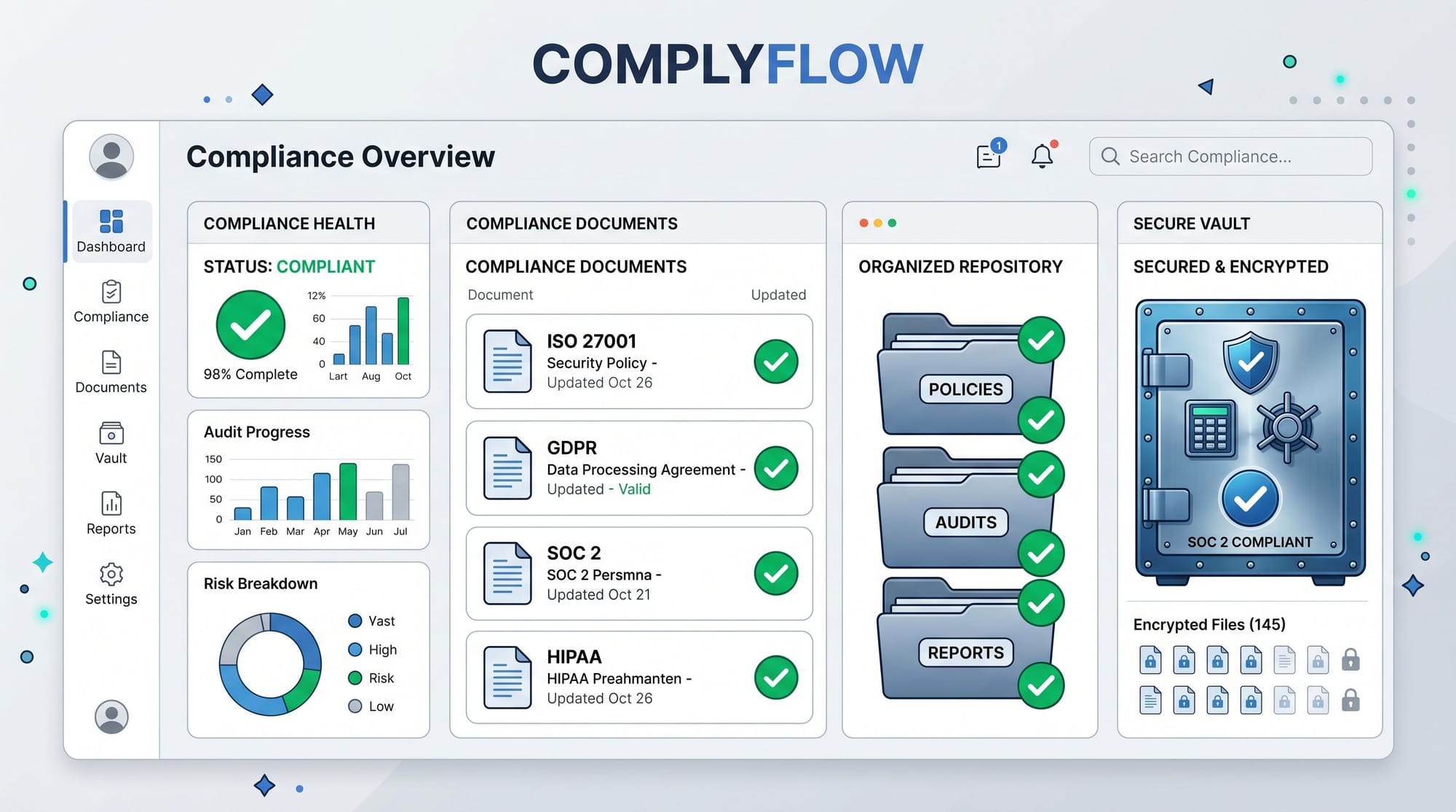
Your compliance documentation is your shield. Regulators don't just want to see the final ad; they want to see the process that led to it. They want proof that your legal team reviewed the copy before it went live.
What does rock-solid documentation look like?
- Version Control: A clear history of how an ad evolved from draft to final product, including who made changes and why.
- Approval Timestamps: Digital signatures or verified logs showing that legal and compliance signed off on the exact asset that was published.
- Contextual Proof: Screenshots or recordings showing how the ad appeared in the wild, proving that disclosures were clear, conspicuous, and legible.
- Substantiation Records: Easy access to the clinical trials, financial data, or surveys that back up the claims made in the ad.
Industry data shows that 75% of audit failures stem from poor record-keeping, rather than intentionally deceptive ad content. You might have run a perfectly compliant ad, but if you can't prove the approval process, you're still in trouble.
Stop relying on messy email threads and disjointed Slack messages for approvals. You need an immutable, centralized ledger of your creative decisions.
Navigating Industry-Specific Minefields
Not all audits are created equal. The regulatory landscape varies wildly depending on your industry. A strategy that works for an e-commerce brand will fail miserably for a pharmaceutical company.
Let's look at a few specific sectors and what regulators hunt for.
Financial Services and Fintech
If you fall under the SEC, FINRA, or the CFPB, your ads are under a microscope. Regulators are looking for hidden fees, misleading APRs, and promises of guaranteed returns. You must ensure that "promissory" language is heavily caveated and that risk disclosures are prominent.
Healthcare and Pharmaceuticals
The FDA demands "fair balance." If you mention the benefits of a drug or treatment, you must equally highlight the risks. Healthcare advertisers face a 30% higher ad rejection rate on social platforms because maintaining this balance in a 15-second TikTok video is incredibly difficult.
iGaming and Sports Betting
As this industry explodes, so does the scrutiny. Authorities are cracking down on ads targeting minors, misleading "risk-free" bet claims, and missing responsible gambling resources. Geo-targeting compliance is also a massive audit focus here.
Are you applying blanket compliance rules across all your campaigns? If so, you're likely leaving yourself exposed in specific, highly regulated niches.
How to Run a Mock Regulatory Audit
The best time to prepare for an audit is before it happens. Enter the "Mock Audit."
Running a simulated audit once a year is the ultimate stress test for your marketing and legal teams. It exposes the cracks in your workflow before a regulator can exploit them.
Here’s how to run one effectively:
- Pick a Random Campaign: Have your legal team randomly select a high-performing campaign from the last six months.
- Set a Deadline: Give the marketing team exactly 48 hours to produce all associated creatives, approvals, and substantiation documents.
- Identify the Gaps: Did it take too long to find the final video file? Was the legal approval buried in an employee's inbox who is currently on PTO?
- Implement Fixes: Use the findings to tighten up your tech stack and communication protocols.
Companies that conduct annual mock audits resolve actual regulatory inquiries 50% faster than those that don't. It builds muscle memory for your entire team.
Building an "Audit-Proof" Workflow
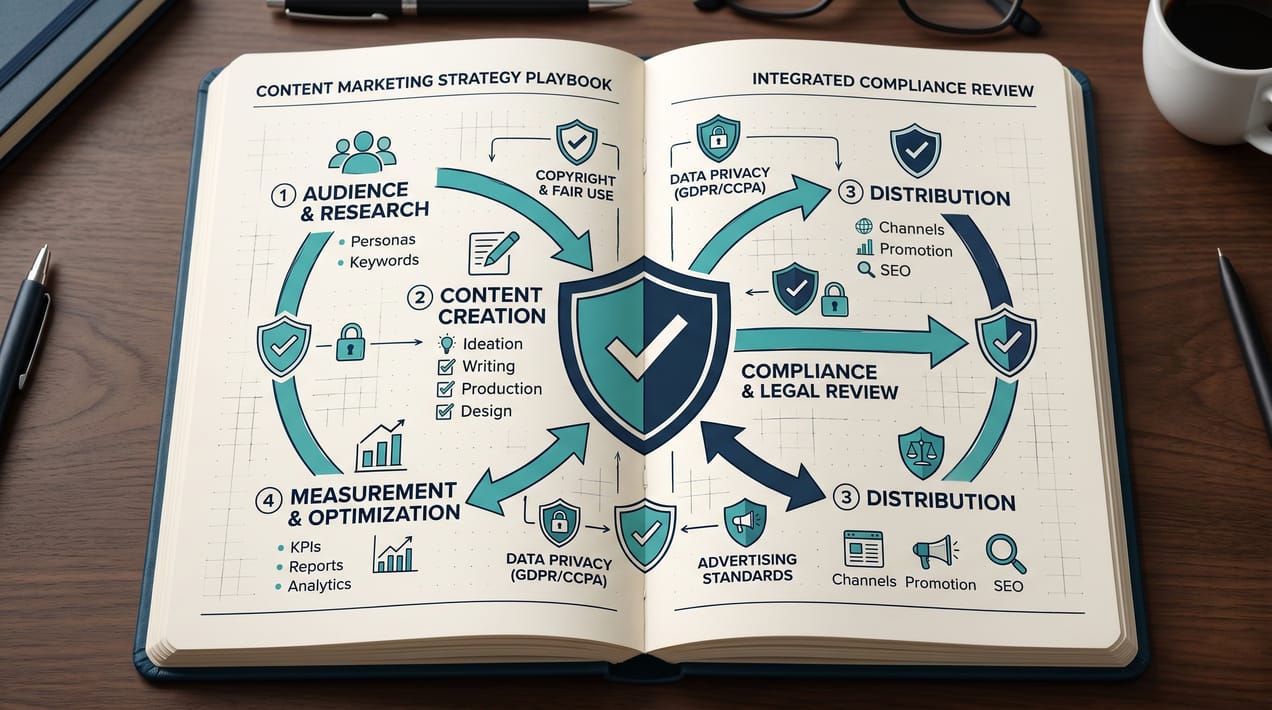
Surviving an audit isn't just about crisis management; it’s about fundamentally changing how you work. You need to move from a reactive posture to a proactive one.
An audit-proof workflow builds compliance checks into the creative process from day one, rather than tacking them on at the end.
First, standardize your templates. If your legal team has approved a specific layout for disclosures, lock it down. Don't let designers tweak the font size or color of the fine print.
Second, mandate centralized communication. Ban ad approvals via direct messages. If an approval isn't logged in your official project management or compliance tool, it doesn't count.
Research indicates that integrating compliance directly into the creative workflow reduces time-to-market by up to 40%. It eliminates the endless back-and-forth revisions between marketing and legal.
When compliance is baked into the culture, an audit becomes nothing more than pulling a report.
The Role of AI in Surviving Regulatory Scrutiny
Let’s be honest: manual compliance reviews are exhausting. Human error is inevitable when a legal reviewer is staring at their 50th ad variation of the day.
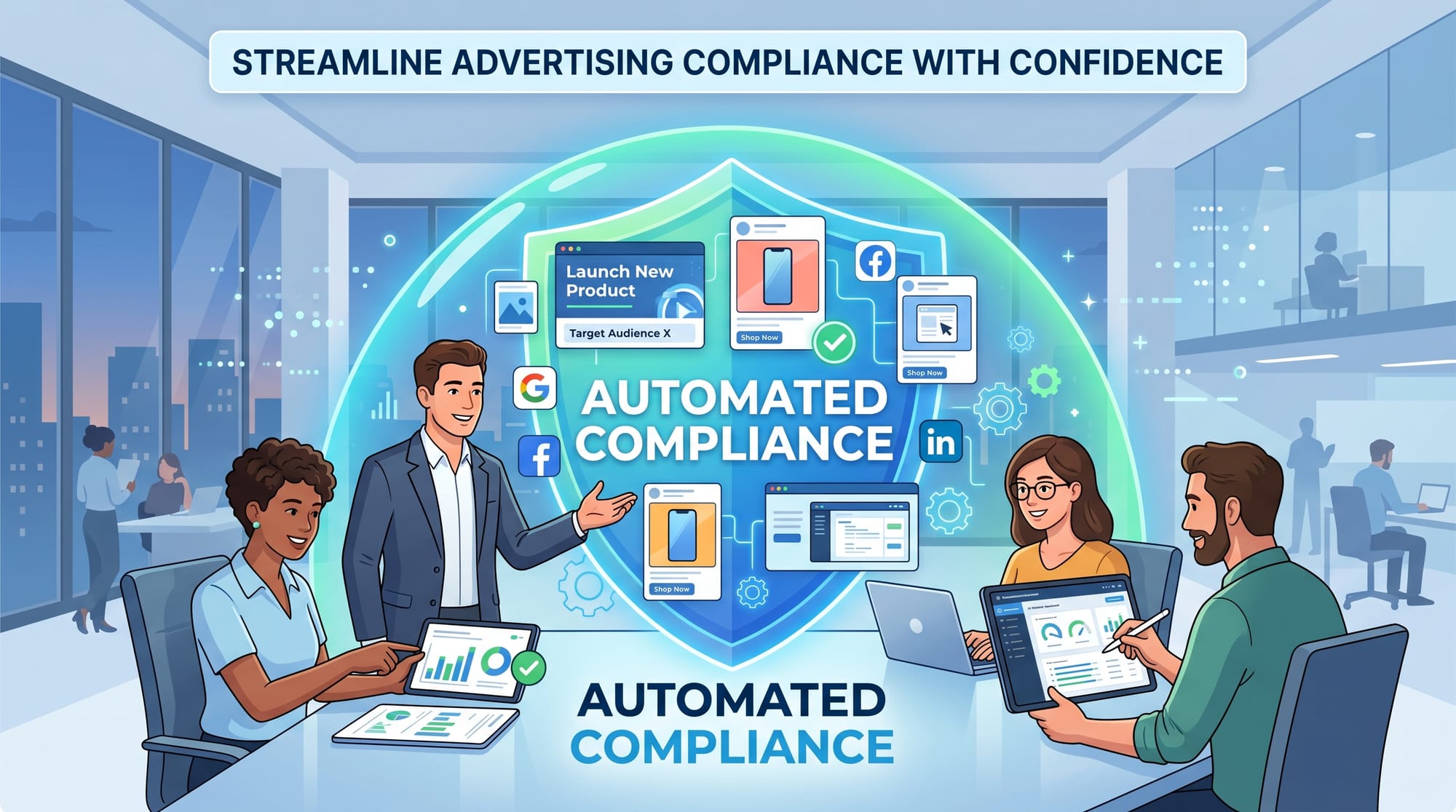
This is where Artificial Intelligence is changing the game. AI isn't just for writing copy or generating images; it’s becoming the ultimate compliance safeguard.
Modern AI tools can scan video, audio, and text in seconds. They can instantly flag missing disclosures, detect banned trigger words, and ensure that text-to-background contrast meets accessibility and regulatory standards.
In fact, AI-powered compliance platforms can catch up to 99% of formatting and disclosure errors before an ad is ever published. That’s a level of security manual reviews simply can't match.
By automating the tedious parts of compliance, you free up your legal team to focus on nuanced strategy rather than checking font sizes.
Platforms like HawtAds are built specifically for this. By leveraging AI-powered ad creative compliance and automation, regulated brands can scale their marketing without scaling their risk. It automatically logs approvals, versions, and assets, creating a perfect audit trail without any extra manual work.
Conclusion: Turn Panic into Preparedness
An advertising regulatory audit is an inevitable reality for brands operating in finance, healthcare, iGaming, and other heavily monitored sectors. The question isn't if you'll be audited, but when.
When that dreaded email arrives, your reaction will depend entirely on the systems you have in place today. Will you spend the weekend in a frantic, sweaty panic, digging through old hard drives? Or will you calmly export a comprehensive, timestamped compliance report?
By centralizing your assets, mastering your compliance documentation, and running mock audits, you build an impenetrable defense.
More importantly, by embracing AI and automation, you remove the friction between your marketing and legal teams. You can launch aggressive, high-converting campaigns with total peace of mind.
Don't wait for the regulators to tap you on the shoulder. Take control of your compliance workflow today. Explore how HawtAds can automate your creative compliance, protect your brand, and make your next audit a breeze.